
A Difficult Question: Disability, Dignity, and the Debate Over Assisted Suicide
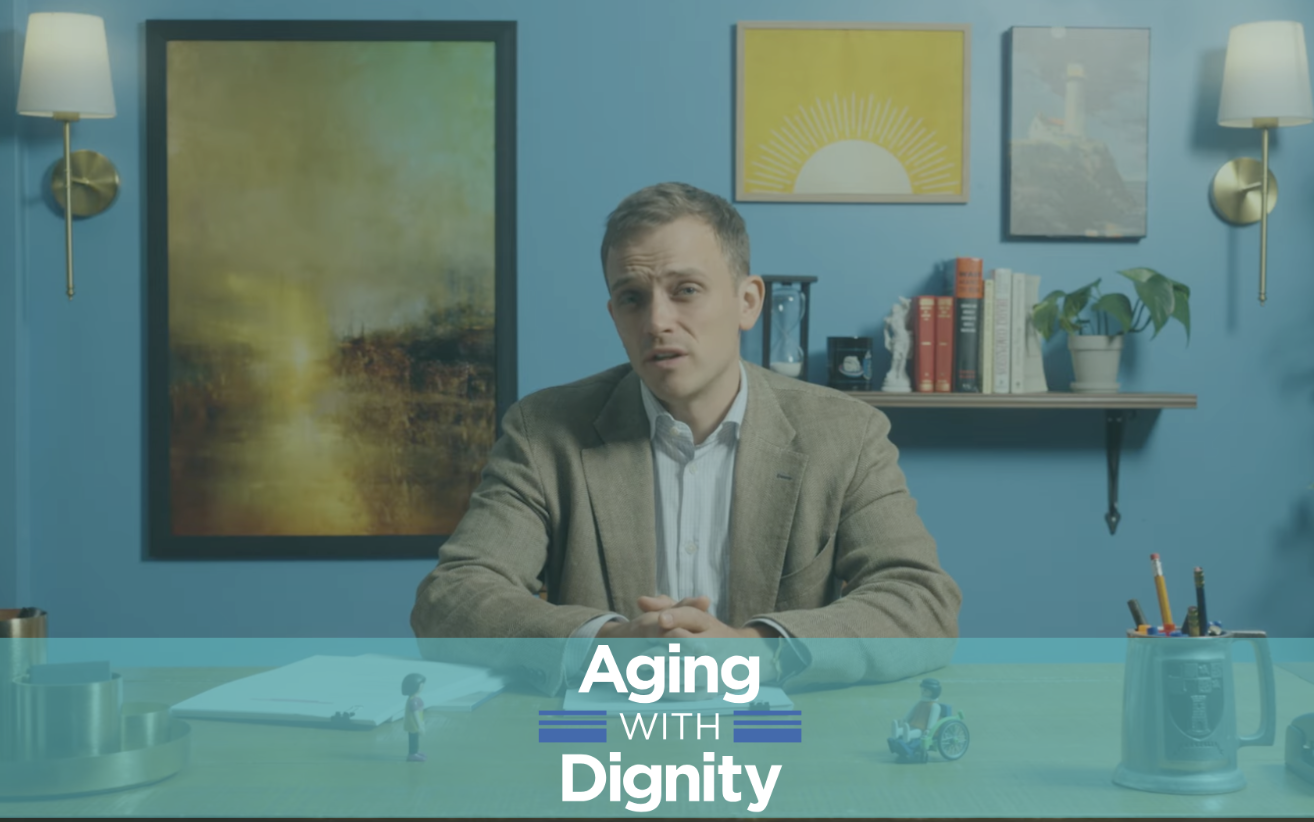
How might assisted-suicide laws affect people with disabilities?
Conversations about end-of-life care are never easy.
They sit at the intersection of medicine, ethics, autonomy, family, suffering, and fear. In recent years, as more states and countries have considered or adopted physician-assisted suicide (sometimes called medical aid in dying), a new voice has become increasingly central to the discussion: the disability community.
A recent discussion led by Jamie Towey of Aging with Dignity asked a question that is rarely explored in depth:
How might assisted-suicide laws affect people with disabilities?
To explore it, Towey spoke with Matt Vallière of the Patients’ Rights Action Fund (PRAF), Patty Kunze of Rollin’ RNs, and James Rapp of the Fredericksburg DisAbility Resource Center — individuals who work daily with people navigating chronic illness, long-term disability, and medical vulnerability.
Why Disability Advocates Are Part of This Debate
Most public conversations about assisted suicide focus on patients with terminal illness and pain. Supporters often emphasize autonomy and relief from suffering — the idea that individuals should have control over their own medical decisions and the timing of their death.
The disability perspective raises a different concern.
Disability advocates worry that laws designed for terminal illness can operate differently in practice for people who live with serious disabilities but are not dying. They point out that vulnerability is not only medical. It can also be social — involving poverty, isolation, depression, lack of services, or inadequate support systems.
Some advocates fear that, in a healthcare system already strained for long-term care and accessibility, the option of assisted death may be presented — intentionally or unintentionally — as a solution when what is actually needed is care, treatment, or social support. Disability-rights discussions have long warned that if underlying supports are inadequate, vulnerable individuals may feel pressure to choose death rather than continue living under difficult conditions.
Vallière and others point to experiences reported in places where assisted dying is legal, arguing that policymakers should carefully examine safeguards and unintended consequences before expanding access.
The Ethical Tension
The debate ultimately centers on two deeply held principles:
Autonomy — the belief that individuals should have the right to make decisions about their own bodies and end-of-life care.
Protection — the responsibility of society to ensure vulnerable people are not harmed, coerced, or abandoned.
These principles can collide.
A law intended to protect personal choice can, critics argue, look very different to someone who already struggles to obtain services, housing, pain management, or consistent medical care.
At the same time, many patients and families view assisted dying as an expression of dignity and control at the end of life. Some disability scholars note that perspectives within the disability community itself are diverse and complex, not uniform, and include both support and concern.
Why This Conversation Matters
What Towey’s discussion highlights is not a simple policy position, but a deeper question:
How do we ensure people are choosing — rather than feeling they have no real choice?
End-of-life decisions occur within real circumstances: access to caregivers, mental-health support, palliative care, family presence, and economic security. When those supports are strong, autonomy is meaningful. When they are weak, decisions can become shaped by fear, loneliness, or burden.
This is why many disability advocates do not approach the issue primarily as a medical question. They approach it as a social one.
They ask whether society is adequately supporting people who live with illness and disability before offering death as a medical option.
A Role for Healthcare and Public Health
For clinicians, policymakers, and the public, the takeaway is not necessarily a single answer. It is a responsibility.
Healthcare systems must ensure:
access to palliative and hospice care,
mental-health and pain management services,
caregiver support,
and respect for both patient autonomy and patient protection.
Even supporters of assisted-dying laws often agree that strong safeguards and robust care systems are essential. The discussion becomes less about a single law and more about the environment in which choices are made.
Moving Forward
End-of-life policy will continue to be debated in legislatures and communities. But the disability perspective changes the conversation in an important way. It shifts the question from:
“Should assisted suicide be legal?”
to
“What conditions must exist so that any end-of-life decision is truly voluntary and informed?”
That is not a political question.
It is a societal one.
And it requires listening — especially to those whose lives are most affected by the healthcare system long before the end of life arrives.