
First Responders Answer Our Calls. Who Answers Theirs?
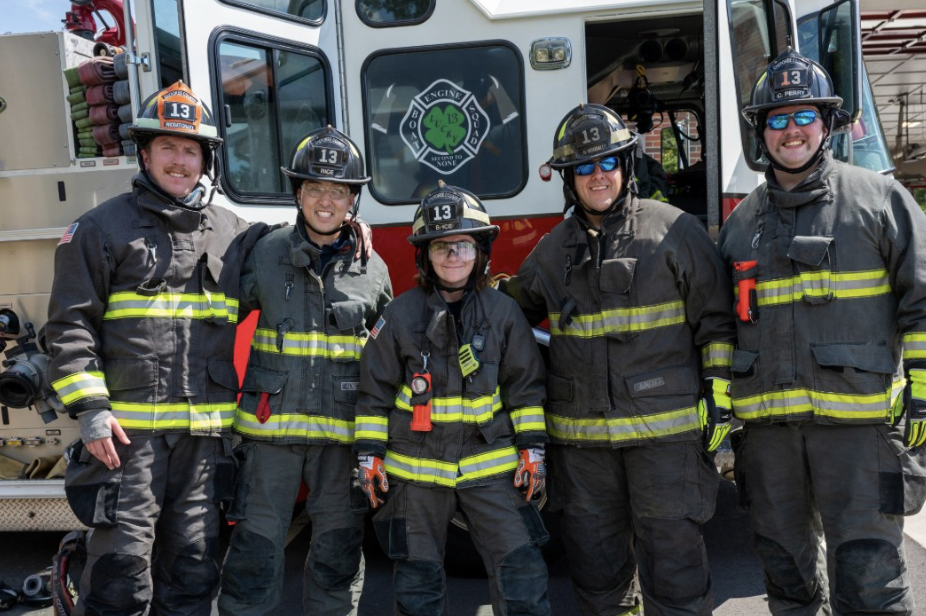
Every day across New Hampshire, first responders rush into situations most of us spend our lives hoping never to see. They respond to fatal crashes on Interstate 93, overdoses, house fires, child abuse cases, suicides, violent assaults, and medical emergencies. They comfort grieving families, make split-second decisions under enormous pressure, and often return to work the very next shift.
While the public sees acts of courage, but we don't always see the emotional cost.
A recent tragedy involving a Twin Cities EMS provider has once again drawn national attention to the mental health challenges facing emergency medical personnel and the importance of providing meaningful support before a crisis occurs. This loss is a reminder that those who dedicate their lives to saving others also need systems that protect their own well-being.
The Weight of the Job
Unlike many professions, first responders are repeatedly exposed to trauma. A single shift may involve multiple life-threatening emergencies, tragic deaths, or encounters with people experiencing mental health crises.
For EMS professionals, firefighters, law enforcement officers, dispatchers, and rescue personnel, these experiences accumulate over years of service. Even when each incident is handled professionally, the emotional impact does not simply disappear at the end of a shift.
Research has found elevated rates of post-traumatic stress, depression, anxiety, burnout, and substance use among emergency medical professionals. Unfortunately, many continue to struggle in silence because of concerns about stigma, confidentiality, or the fear that asking for help could affect their careers.
New Hampshire Faces the Same Challenge
Although Granite Staters have a tradition of supporting its emergency responders, our state is far from immune to these pressures. New Hampshire has faced criticism and legal action for allegedly failing its first responders regarding historical pension cuts and staffing strains, though recent legislative efforts have expanded mental health and financial support
Volunteer and combination fire departments are stretched by workforce shortages. Rural EMS agencies face recruitment and retention challenges. Long shifts, staffing shortages, increasing behavioral health calls, and repeated exposure to traumatic events create significant stress for responders in every corner of the state.
These challenges affect experienced professionals and new recruits alike. As communities ask more of first responders, we must also invest more in protecting their mental health.
Support Must Be Built Into the Job
Mental health support cannot begin only after someone reaches a breaking point.
Effective programs recognize that psychological wellness is part of occupational safety. Just as agencies provide protective equipment and physical training, they should also provide resources that help responders process trauma and build resilience throughout their careers.
That includes:
Peer support teams trained to recognize signs of distress.
Confidential counseling that responders can access without fear of stigma.
Critical Incident Stress Management (CISM) following traumatic events.
Leadership training that encourages open conversations about mental health.
Regular wellness check-ins rather than waiting for a crisis.
Family education, recognizing that spouses and loved ones often notice changes first.
Many states are expanding these types of programs because they understand that supporting responders is essential to maintaining a healthy emergency workforce.
Breaking the Culture of Silence
For generations, first responders have been taught to be strong, dependable, and composed under pressure. Those qualities remain essential—but strength should never mean suffering alone.
Increasingly, fire departments, EMS agencies, and police departments are recognizing that asking for help is not a sign of weakness. It is a professional responsibility that protects responders, their coworkers, their families, and the communities they serve.
Changing that culture takes leadership, education, and visible commitment from agencies and policymakers alike.
Every Life Matters
At Towards Zero Suicides in NH, we believe suicide prevention is everyone's responsibility, including within the professions dedicated to saving lives.
Supporting first responders means more than expressing gratitude during National EMS Week or after a major incident. It means ensuring they have access to confidential care, peer support, trauma-informed services, and organizational cultures that encourage people to seek help early.
Every emergency responder deserves to know that their mental health matters just as much as the lives they work so hard to protect.
Because the people who answer our calls for help should never have to face their own struggles alone.