
When First Responders Need Help: Closing the Help-Seeking Gap
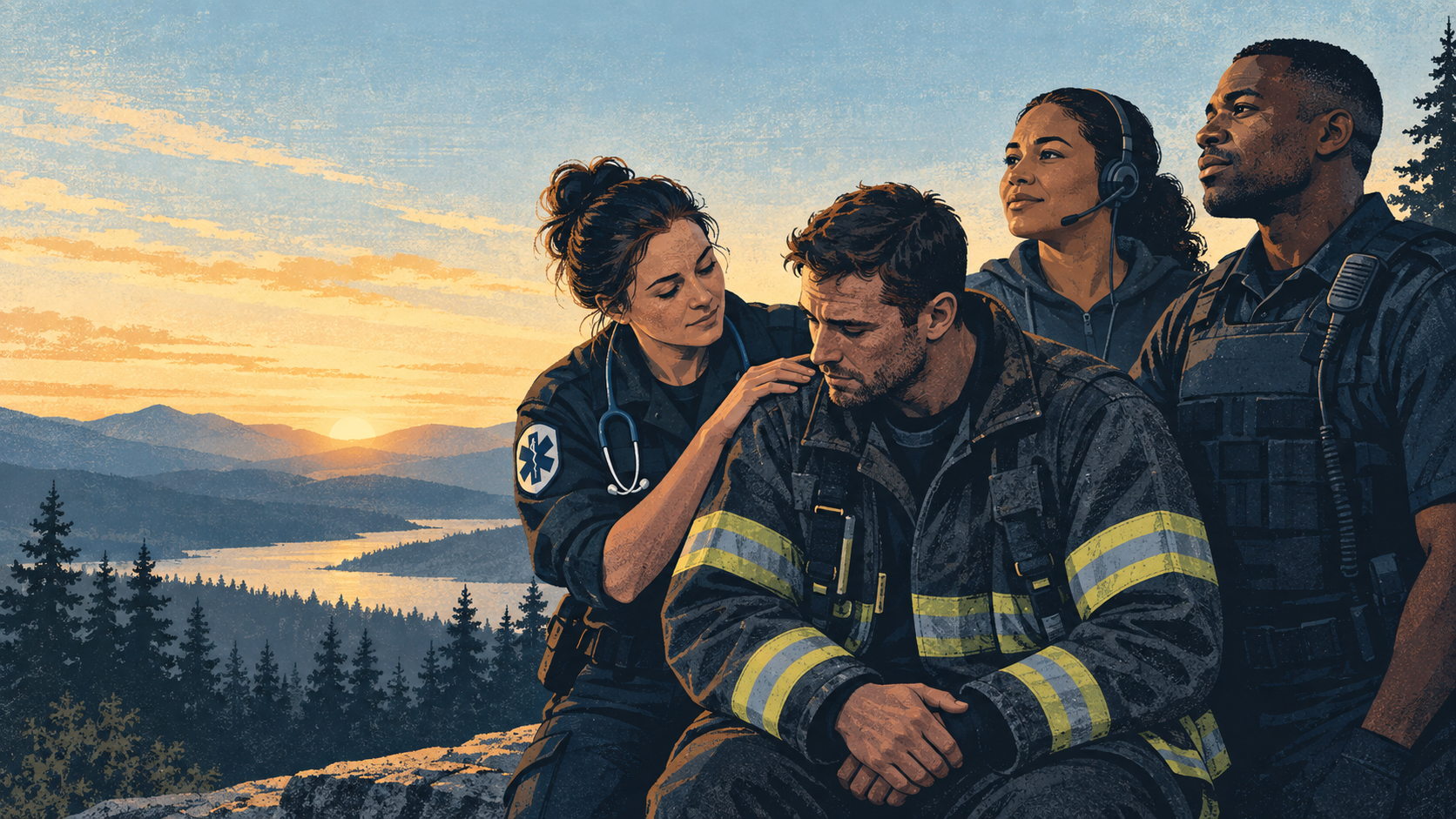
First responders are trained to move toward emergencies. Police officers, firefighters, emergency medical professionals, paramedics and public safety telecommunicators routinely help people through some of life’s most difficult moments.
But when first responders both here in New Hampshire and around the nation experience their own mental health challenges, asking for help can be difficult.
A new resource, The First Responder Help-Seeking Gap 2026 Report, examines the mental health pressures facing first responders and the barriers that can prevent them from seeking or continuing care.
Knowing That Help Exists Is Not Always Enough
First responders may experience repeated exposure to trauma, loss, unpredictable schedules and high-stakes decisions. Over time, these pressures can affect sleep, relationships, job performance and overall well-being.
Yet recognizing a concern does not always lead to receiving support. The report identifies several places where that process can break down:
Stress, sleep problems or changes in mood may be viewed as simply part of the job.
Concerns about confidentiality, career consequences or judgment from colleagues may make someone hesitant to speak up.
It may be difficult to find a mental health professional who understands first responder culture and occupational trauma.
Work schedules, cost, insurance coverage and geographic access can create practical barriers.
Even after beginning treatment, a first responder may need continued support to remain connected to care.
These barriers help explain why telling someone to “reach out” is not always enough. People must also feel confident that reaching out will be safe, confidential and supported.
Creating a Culture That Supports Help-Seeking
Closing the help-seeking gap requires more than placing the responsibility on individual first responders. Departments, supervisors, colleagues, health care providers and communities all have a role to play.
The report highlights several approaches that may help:
Creating peer-support programs led by people who understand emergency-service work
Including behavioral health screenings in routine wellness practices
Connecting first responders with clinicians familiar with occupational trauma and first responder culture
Protecting confidentiality and addressing fears about professional consequences
Providing ongoing support following critical incidents
Encouraging leaders to speak openly about mental health and model help-seeking behavior
A supportive workplace does not treat seeking help as a weakness. It recognizes mental health care as an important part of keeping first responders healthy and able to continue their vital work.
Starting the Conversation
Friends, relatives and colleagues can also help by noticing changes and starting a conversation. That may mean checking in with someone who seems withdrawn, exhausted, unusually irritable or overwhelmed.
The conversation does not have to be perfect. A simple question—“You don’t seem like yourself lately. How are you doing?”—can create an opening. Listen without judgment, take concerns seriously and help the person connect with appropriate support.
Most importantly, do not wait for a crisis to make mental health part of the conversation.
Zero Suicide New Hampshire has added The First Responder Help-Seeking Gap 2026 Report to its collection of suicide prevention and crisis-support resources. The report offers additional context for understanding why first responders may hesitate to seek help—and what workplaces and communities can do to make that decision easier.
If you or someone you know is experiencing emotional distress or a suicidal crisis, call or text 988 to reach the 988 Suicide & Crisis Lifeline. Support is available 24 hours a day, seven days a week. Call 911 if there is an immediate danger.