
NH Legislation Supports Firefighters for PTSD Training And Expanded Mental Health Coverage
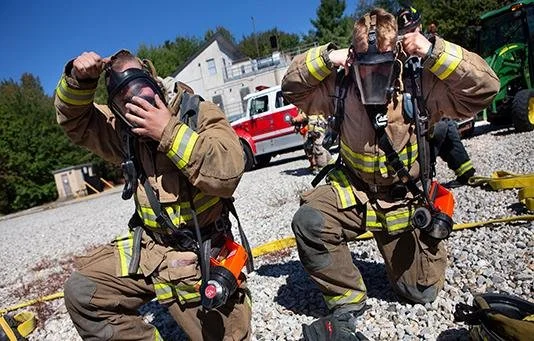
New Hampshire’s legislative actions have significantly strengthened mental health support for firefighters, combining mandatory PTSD (post-traumatic stress disorder) training with expanded access to mental health coverage.
Commission To Study PTSD In First Responders
Under SB 423, NH reestablished a 17-person commission to study the incidence of PTSD in first responders and whether it should be covered under workers’ compensation SB 423: reestablishing the commission to study the incidence of post-traumatic stress disorder in first responders. - New Hampshire | MyRepTracker.
The interim report is due in November of 2026.
Passage of HB 1705 in July ‘26
New Hampshire House Bill 1705, which expands mental health and employee assistance program access for volunteer and small-town first responders, was passed by the legislature on July 10, 2026 and signed into law by Governor Kelly Ayotte on July 2, 2026 LegiScan.
The bill became Chapter 239 of the New Hampshire Public Laws and is set to take effect on July 1, 2027 LegiScan.
HB 1705 establishes a First Responders Support Fund administered by the NH Department of Health and Human Services to cover the costs of enrolling eligible first responders from small communities into the state’s Employee Assistance Program (EAP). The EAP provides confidential short-term counseling, consultations, referrals, and educational resources to help first responders manage the unique stress and challenges of emergency service business.portsmouthchamber.org+1.
Passage of SB 357 Made PTSD/Mental Health Training A Requirement For All First Responders
In 2022, then Gov. Chris Sununu signed SB 357, legislation that made PTSD-focused mental health training a requirement for all first responders, including firefighters, corrections officers, and police.
Before the law, such training was optional and often limited. Under SB 357, new firefighters must complete initial and annual online PTSD training. The program is even available to them after retirement BillTrack50.
This has led to:
Wider participation in stress management and PTSD awareness programs, with agencies like the Division of Fire Standards and Training hosting large-scale wellness trainings New Hampshire Bulletin.
Early recognition of symptoms in both responders and colleagues, improving early intervention.
Ongoing support infrastructure, including a part-time behavioral health coordinator hired by fire services to focus on PTSD-related content New Hampshire Bulletin.
Standardized PTSD training across the state, improving preparedness and early intervention.
Expanded access to mental health services for firefighters, especially in underserved areas.
Reduced stigma by making mental health support a formal, required part of firefighter duties.
Infrastructure for both prevention and treatment, addressing both immediate needs and long-term workforce well-being.
NH’s approach has shifted PTSD support from an afterthought to a core part of firefighter care, with measurable improvements in training participation, early intervention, and access to treatment.
For more information about PTSD and suicide prevention programs for vulnerable populations, visit www.zerosuicidesnh.org